
Seasonality and De-seasonalization: Corporate Is the Answer. But You Need a Strategy.
Every private events industry operator knows the seasonality problem. June and September are overcrowded, qualified staff is impossible to find, suppliers' calendars are full, margins compress under…
Condividi questo articolo:
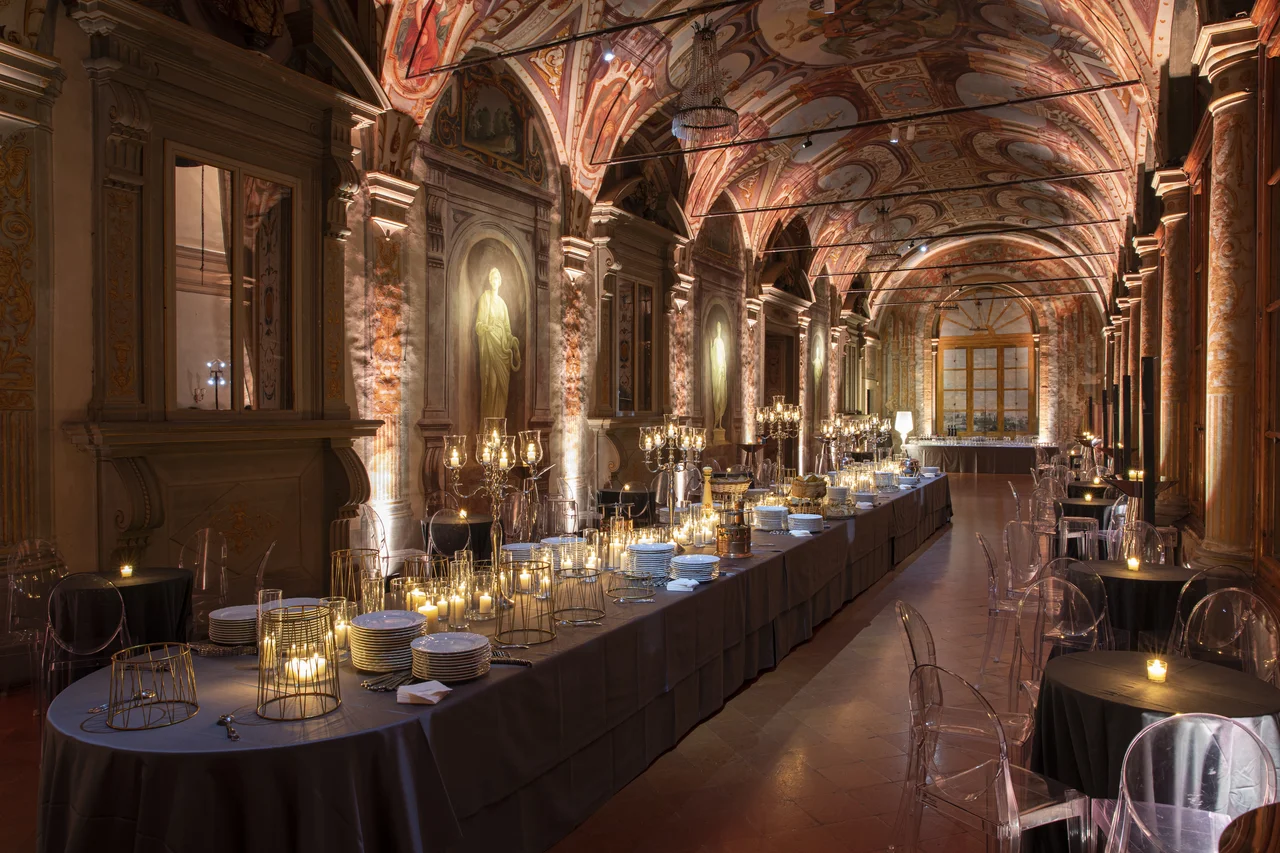
Every private events industry operator knows the seasonality problem. June and September are overcrowded, qualified staff is impossible to find, suppliers' calendars are full, margins compress under the weight of demand exceeding supply. In November, December, January, and February, the phone stops ringing.
The solution almost everyone identifies is obvious: de-seasonalize. Bring events into low-season months. Distribute work across 12 months instead of 4-5. All correct in theory. But in practice, how do you actually do it?
Why Weddings Can't De-seasonalize on Their Own
The wedding segment — which represents over 70% of activity in the WIMSurvey25 sample — has culturally rooted seasonality that is very hard to shift.
Italian clients want to get married in spring and summer, period. Family traditions, guest expectations, the logistics of summer outfits — everything converges toward May-October. The percentage of Italian weddings celebrated from November to March is structurally low and unlikely to increase significantly in the short term.
Destination weddings are slightly more flexible — some international couples choose winter for budget and availability advantages — but seasonality is still very present here.
De-seasonalization through weddings alone would require a deep cultural change beyond the control of industry operators. It isn't a viable lever in the short-to-medium term.
Corporate Events: The Primary Lever
The corporate market — corporate gala dinners, incentive trips, product launches, team building, customer events, conventions — has a temporal distribution completely different from weddings.
The corporate peak months are October, November, March, and April — exactly the wedding low-season months. The logic is clear: companies avoid the peak of summer (staff vacations) and the Christmas period. They concentrate on the second half of the year (October-November, before Christmas holidays) and the second quarter (March-April, before the summer break).
31% of the WIMSurvey25 sample already works with corporate events. But the potential is much higher — and the main obstacle isn't demand (which exists and is growing), but the structure of operators' offerings.
How Corporate Differs from Wedding: What You Need to Know First
Before tackling the corporate market, it's essential to understand the structural differences from weddings. It isn't just an event with fewer flowers and more corporate speeches — it's a completely different purchasing process, client relationship logic, and documentation standard.
The purchasing process is corporate, not personal.
You're not talking to a couple making emotional decisions — you're talking to an events manager, a marketing director, a CEO. The process has multiple decision-making layers. It requires formal documentation: detailed quotes, contracts, electronic invoicing, sometimes formal tenders or selection procedures.
The timing is different.
Companies plan events with variable lead times — some 6-12 months ahead for flagship events, others with very short notice. You need to be ready to handle both situations.
The brief is different.
A company organizing an incentive trip for its top sales performers has precise objectives: team motivation, celebration of success, creating a memorable moment that reinforces corporate culture. The supplier who understands these objectives and puts them at the center of the proposal has an enormous advantage over those who simply offer "a beautiful venue with great food."
How to Build Presence in the Corporate Market
The corporate market requires a more proactive commercial approach than weddings. Corporate clients don't search on Pinterest — they search on LinkedIn, read industry publications (Event Report, Incentive Magazine, MPI Meeting Professional), and consult colleagues at other companies.
LinkedIn is a fundamental channel for building visibility in the corporate world: articles on how to organize an effective incentive event, anonymized case histories of successful corporate events, participation in professional discussion groups.
Industry associations are an important access channel: MPI (Meeting Professionals International), SITE (Society for Incentive Travel Excellence), IMEX (the international incentive and meeting fair). Attending these events — even as visitors — builds relationships with decision-makers in the international corporate market.
And finally: building a corporate portfolio requires differentiating the communication from weddings. The corporate portfolio must demonstrate the ability to manage organizational complexity, documentation standards, large guest numbers, and logistical flexibility.
Continua a leggere...
Questo contenuto è riservato. Accedi alla nostra piattaforma per leggere l'articolo completo.
Prosegui su WIM for ProRead more...
This content is for members only. Log in to our platform to read the full article.
Proceed to WIM for ProCondividi questo articolo:
Diventa un
Digital Wimmer
Contenuti esclusivi, community e accesso anticipato agli eventi — tutto in un unico posto.


WIM For PRO · Where Ideas Meet
Sei già un
Digital Wimmer?
Community
Forum, directory e networking tra i professionisti del settore
Insights PLUS
Report esclusivi, WIM Survey e contenuti editoriali riservati
Priorità eventi
Accesso anticipato a tutte le tappe Tour, Talks e WIM Event
WIM For PRO · Where Ideas Meet
Are you already aDigital Wimmer?
Community
Forums, directories, and networking among industry professionals
Insights PLUS
Exclusive reports, WIM Surveys, and exclusive editorial content
Event priority
Early access to all Tour, Talks, and WIM Event sessions
Tutti i dettagli relativi ai vantaggi delle membership e al pricing dell’evento sono disponibili nel kit evento. Per qualsiasi necessità, assistenza o richiesta di approfondimento, puoi contattarci in qualsiasi momento scrivendo a info@wimforevents.com