
Luxury Has Shifted. They're Not Buying Objects. They're Buying Moments. And Private Events Are the Only Non-Substitutable Beneficiary.
Luxury Has Shifted. They're Not Buying Objects. They're Buying Moments. And Private Events Are the Only Non-Substitutable Beneficiary.
In November 2024, Bain & Company and Fondazione Altagamma published their annual Luxury Study with a conclusion that should have made more noise than it did. For the first time since the…
Condividi questo articolo:
In November 2024, Bain & Company and Fondazione Altagamma published their annual Luxury Study with a conclusion that should have made more noise than it did.
For the first time since the 2008-2009 Great Recession, personal luxury goods — bags, shoes, watches, jewelry, high-end apparel — registered a significant slowdown. But the same study documented that one single luxury segment continued growing in 2024: experiential luxury. +5%.
Bain and Altagamma define this phenomenon a "tectonic shift." And they're right.
Why Luxury Has Shifted from Things to Experiences
Understanding why this is happening matters as much as understanding that it's happening. There are at least four structural drivers converging.
The first is the saturation of the material goods market. After decades of material luxury growth, the affluent classes of developed countries simply have less space — physical and psychological — for additional objects. Experiences, by contrast, don't have this limitation: they accumulate in memory, not in the closet.
The second driver is generational change. Millennials and Gen Z — who are becoming a growing share of global HNWIs — have a structurally different relationship with luxury than previous generations. According to Knight Frank, nearly half of HNWIs under 35 would prefer to invest a windfall in experiences rather than material goods.
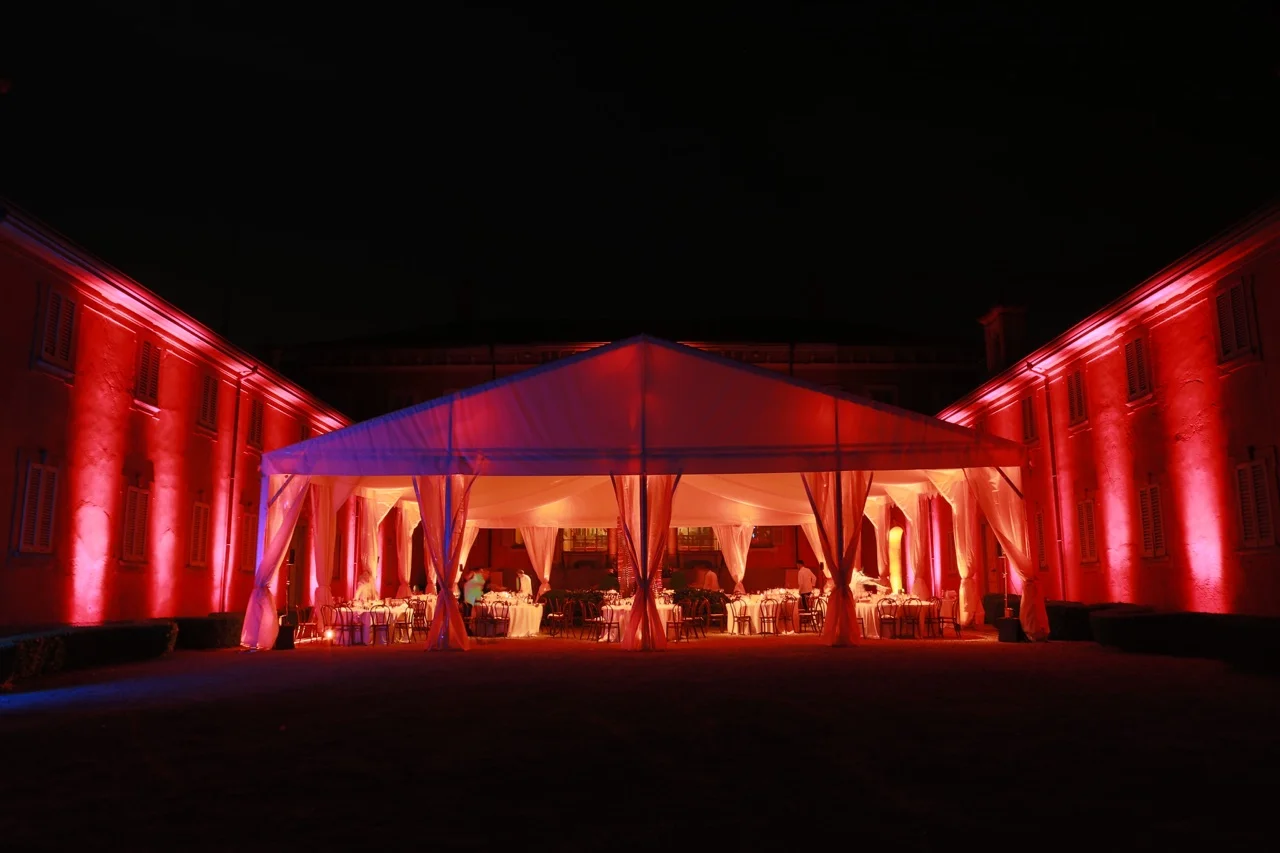
The third driver is "quiet luxury" — the tendency to prefer discreet exclusivity to visible ostentation. A €100,000 watch communicates wealth to anyone who sees it. A €500,000 wedding in a private Tuscan villa communicates sophistication only to those who were there. Selection is the new luxury.
The fourth driver is post-pandemic acceleration. COVID-19 taught millions of people that time and shared experiences are more precious than any object. This lesson had a deep and lasting impact on the spending priorities of the affluent classes.
The Data That Confirms the Trend
Julius Baer documents that 74% of HNWIs increased spending on five-star hotels in the past year, and 71% on fine dining. HNWI spending on travel, hospitality, and social events recorded growth in every region monitored. The areas with the highest acceleration are APAC and the Middle East.
The global luxury market is worth approximately €1.44 trillion in 2025. Of this, the experiential segment is the only one in structural growth across all markets.
Why the Private Event Is the Non-Substitutable Luxury Good
There's a fundamental distinction between a private event and any material luxury good.
A luxury watch can be bought by anyone with the money. It can be copied. It can be resold. It can be acquired by someone else. A private event cannot be any of these things.
- Radical uniqueness: every wedding, every gala, every celebration is unique by definition.
- Irreplicability: it cannot be replicated nor transferred; the experience is inseparably linked to the people who lived it.
- Identity impact: it's a direct expression of who commissions it, and cannot be imitated in its symbolic dimension.
- Non-transferable emotional value: it lives in memory, not in the closet.
When an HNWI client already has the Tuscan villa, the yacht in Saint-Tropez, and the contemporary art collection — what do they still buy? Their daughter's wedding. Their parents' anniversary. The 50th birthday. Experiences that cannot be substituted by any object.
The Practical Implications for Those Working in the Industry
The first implication is positioning. Your value isn't measured in "services delivered." It's measured in "experiences created." Not the perfect catering. Not the beautiful photos. Not the spectacular venue. The emotion people take home with them.
The second implication is market. The structural growth of HNWI demand for luxury experiences isn't a temporary trend. It's a structural transformation with demographic, value-based, and psychological drivers that strengthen over time. Those well-positioned in this market today are positioned to grow in the next ten years.
The third implication — and perhaps the most important — is competitive urgency. If this market is growing, other players are positioning themselves to capture this growth. The Italian competitive advantage is real, but it isn't automatic. It must be translated into system, into standards, into presence in the places where demand is forming.
HNWI demand for experiential luxury is ready. The market is growing. The question is: who will capture this growth?
Continua a leggere...
Questo contenuto è riservato. Accedi alla nostra piattaforma per leggere l'articolo completo.
Prosegui su WIM for ProRead more...
This content is for members only. Log in to our platform to read the full article.
Proceed to WIM for ProCondividi questo articolo:
Diventa un
Digital Wimmer
Contenuti esclusivi, community e accesso anticipato agli eventi — tutto in un unico posto.


WIM For PRO · Where Ideas Meet
Sei già un
Digital Wimmer?
Community
Forum, directory e networking tra i professionisti del settore
Insights PLUS
Report esclusivi, WIM Survey e contenuti editoriali riservati
Priorità eventi
Accesso anticipato a tutte le tappe Tour, Talks e WIM Event
WIM For PRO · Where Ideas Meet
Are you already aDigital Wimmer?
Community
Forums, directories, and networking among industry professionals
Insights PLUS
Exclusive reports, WIM Surveys, and exclusive editorial content
Event priority
Early access to all Tour, Talks, and WIM Event sessions
Tutti i dettagli relativi ai vantaggi delle membership e al pricing dell’evento sono disponibili nel kit evento. Per qualsiasi necessità, assistenza o richiesta di approfondimento, puoi contattarci in qualsiasi momento scrivendo a info@wimforevents.com