
Middle East: Grandeur, Privacy, and Cultural Protocols. What You Can't Afford Not to Know.
Middle East: Grandeur, Privacy, and Cultural Protocols. What You Can't Afford Not to Know.
The Middle East segment is, by per-event unit value, the highest of all international markets serving the Italian private events industry. A UHNW Persian Gulf wedding — Saudi, Emirati, Kuwaiti,…
Condividi questo articolo:
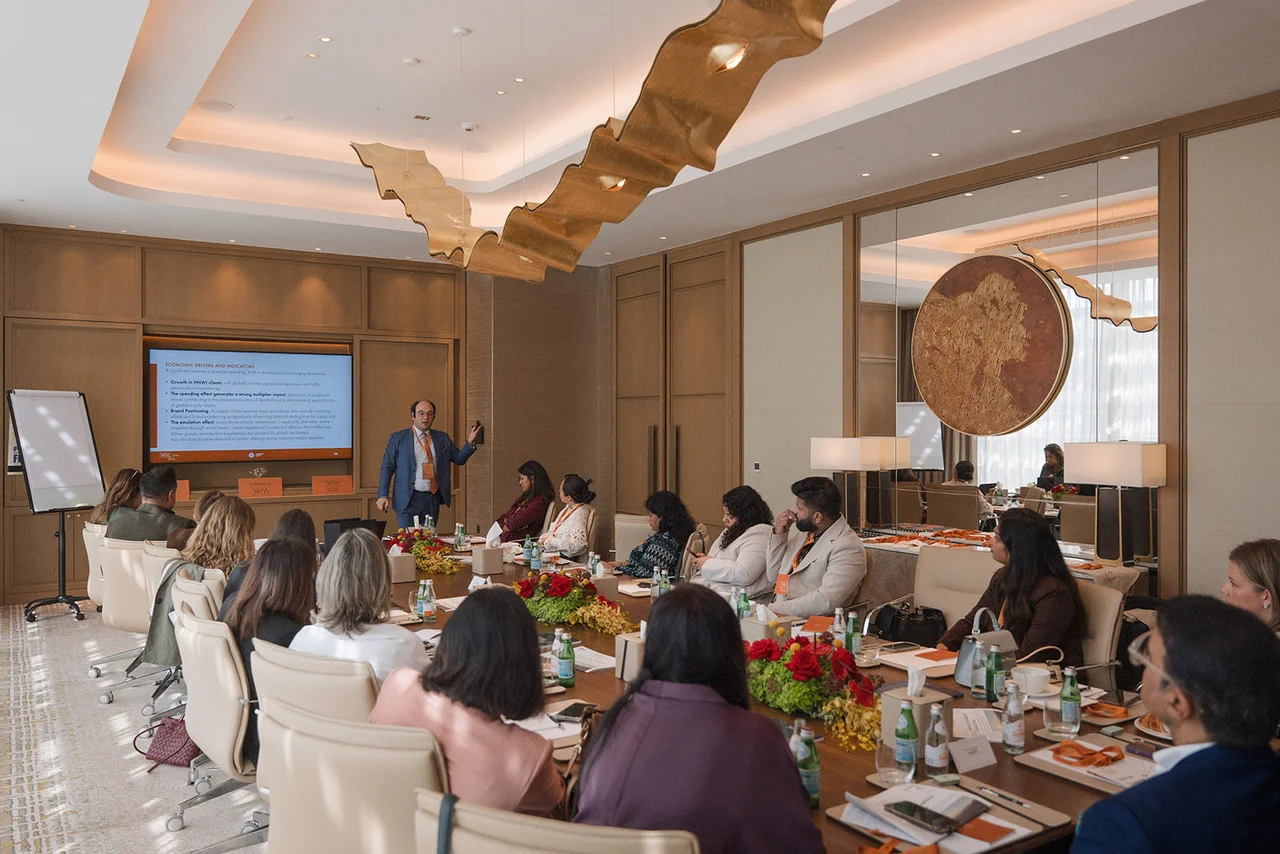
The Middle East segment is, by per-event unit value, the highest of all international markets serving the Italian private events industry. A UHNW Persian Gulf wedding — Saudi, Emirati, Kuwaiti, Qatari — can easily reach budgets in the order of €1-5 million. The most important weddings exceed these ranges.
It's also the market that requires the most specialist cultural intelligence. Those who approach without adequate preparation risk errors that aren't just embarrassing — they can definitively compromise reputation in a market that operates largely through word-of-mouth among families of the same social level.
The Size of the Middle East Market
The Middle East hosts approximately 1 million HNWIs (Capgemini, 2025), with extraordinarily high UHNW concentration — patrimony above $30 million — in proportion to total population. The UAE, Saudi Arabia, Kuwait, Qatar, and Bahrain are the main markets.
Gulf wealth is largely petroleum and gas in origin, but is rapidly diversifying: real estate investments, finance, technology, tourism. And a growing share of this wealth is allocated to experiential luxury spending — travel, hospitality, private events.
For Italy, the Middle East is a historically consolidated market for luxury tourism — Gulf families have frequented premium Italian destinations for decades. The conversion of this tourist familiarity into destination weddings and high-value private events is one of the most promising trends of recent years.
The Aesthetic: Grandeur with Meaning
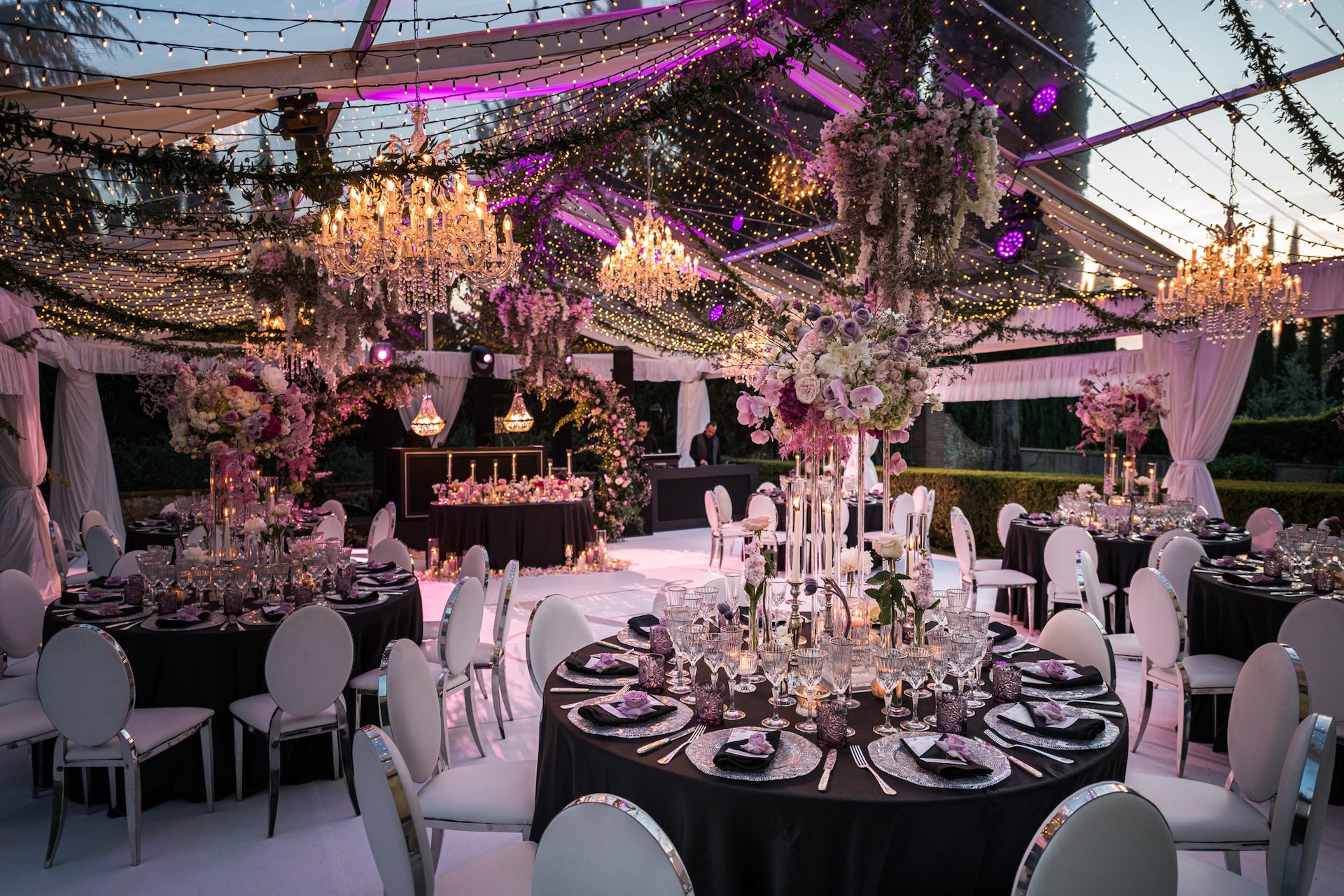
The style of Middle East events is characterized by grandeur — grandiosity, opulence, abundance. It isn't ostentation for its own sake: it's the expression of a culture of hospitality in which generosity toward guests is a deep value.
Flowers are abundant, often white and gold. Lighting is theatrical. Tablecloths and fabrics are rich. Food is in abundant quantity, with attention to quality. Entertainment is high-level — often international artists or performers.
Extended family celebration is another characteristic element: Middle East weddings often involve 300-500 guests, sometimes more than 1,000. They are community events, not just couple events.
Cultural and Religious Requirements: Non-Negotiable
This is the most delicate and important aspect for those wanting to work with Middle East clientele.
Halal Menu
For Muslim clientele — representing the vast majority of Gulf HNWIs — halal food isn't a preference: it's a religious requirement. Catering must be halal-certified, or at least able to guarantee that no prohibited ingredient (pork, alcohol in cooking) is used. Important note: some Italian cuisines use wine in preparation — this must be communicated and managed in advance.
Gender Separation
In many Gulf contexts — particularly for more traditional families — separation of spaces between men and women during certain phases of the event is a religious and cultural requirement. This means physically separate spaces, separate entrances, separate music and entertainment for the two areas. Not all Italian venues are structured for this — it's an element to evaluate in advance.
Absolute Privacy
Middle East families, particularly high-profile ones, have very strong privacy needs. No event photos on social media without explicit authorization. Standard NDA for all staff. Documented security protocols. Rigorous access control. These aren't eccentric requests — they are standards for this segment.
Extended Security Protocols
For UHNW Gulf families, personal security is a priority. They often travel with their own security personnel. The venue must be able to coordinate with this personnel, manage controlled access, plan emergency procedures. In some cases, an advance reconnaissance of the venue by the family's security team is required.
The Purchasing Process: Patience and Respect
The purchasing process for Middle East clientele tends to be longer and more relational than American or Northern European. Important decisions are made after many conversations, often through intermediaries. Trust must be built before moving to commercial details.
Intermediaries are fundamental: luxury travel advisors, wedding planners specialized in Gulf clientele, luxury agency concierges who frequent the families in question. Building relationships with these intermediaries is the most effective way to access this market.
The investment in cultural intelligence — even just by attending specific courses or working with a consultant expert in the Middle Eastern market — has a very concrete economic return in this segment.
Continua a leggere...
Questo contenuto è riservato. Accedi alla nostra piattaforma per leggere l'articolo completo.
Prosegui su WIM for ProRead more...
This content is for members only. Log in to our platform to read the full article.
Proceed to WIM for ProCondividi questo articolo:
Diventa un
Digital Wimmer
Contenuti esclusivi, community e accesso anticipato agli eventi — tutto in un unico posto.


WIM For PRO · Where Ideas Meet
Sei già un
Digital Wimmer?
Community
Forum, directory e networking tra i professionisti del settore
Insights PLUS
Report esclusivi, WIM Survey e contenuti editoriali riservati
Priorità eventi
Accesso anticipato a tutte le tappe Tour, Talks e WIM Event
WIM For PRO · Where Ideas Meet
Are you already aDigital Wimmer?
Community
Forums, directories, and networking among industry professionals
Insights PLUS
Exclusive reports, WIM Surveys, and exclusive editorial content
Event priority
Early access to all Tour, Talks, and WIM Event sessions
Tutti i dettagli relativi ai vantaggi delle membership e al pricing dell’evento sono disponibili nel kit evento. Per qualsiasi necessità, assistenza o richiesta di approfondimento, puoi contattarci in qualsiasi momento scrivendo a info@wimforevents.com