
Urban India: The Future Market Is Already Knocking. How to Start Speaking This Language.
Urban India: The Future Market Is Already Knocking. How to Start Speaking This Language.
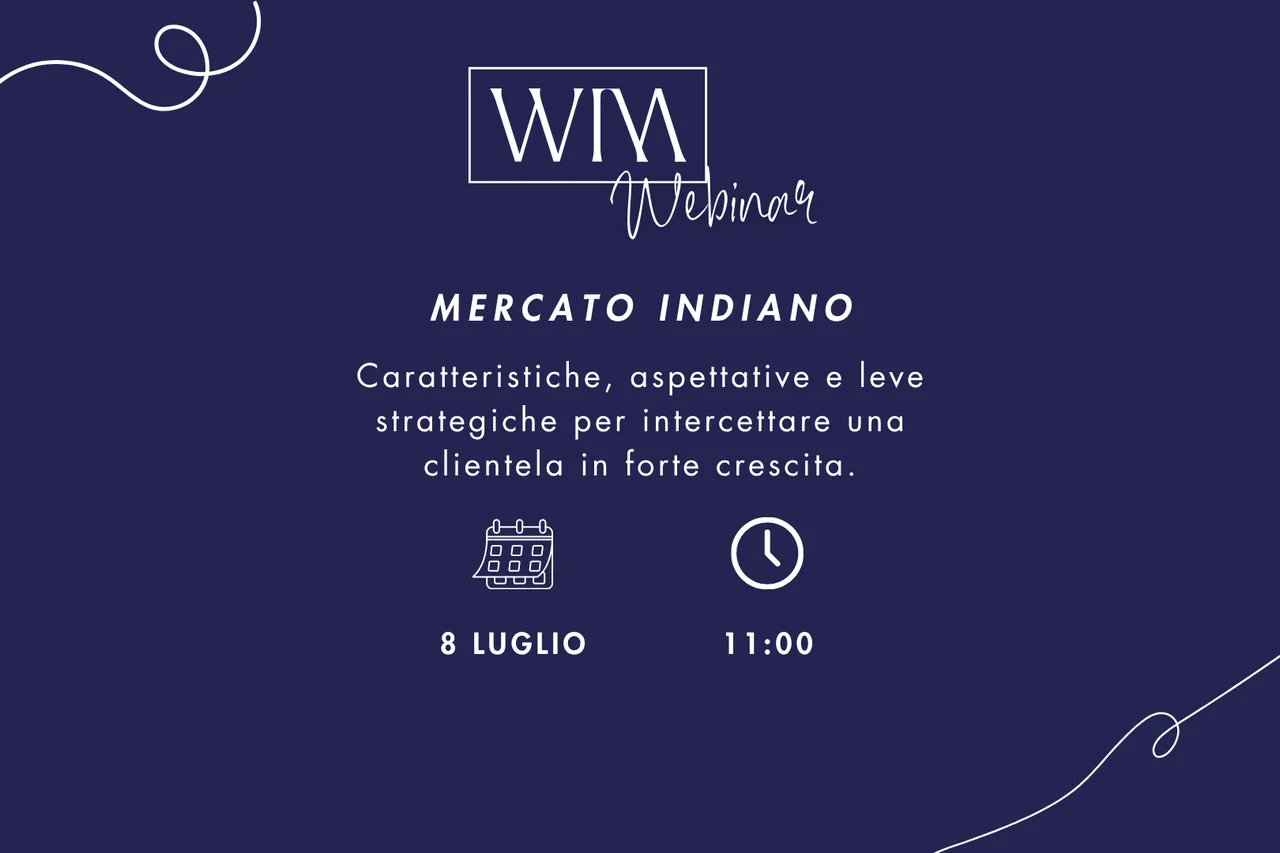
In 2010, almost no Italian private events industry operator thought of India as a reference market. In 2020, it began emerging as an interesting niche. In 2026, it's one of the highest-growth markets…
Condividi questo articolo:
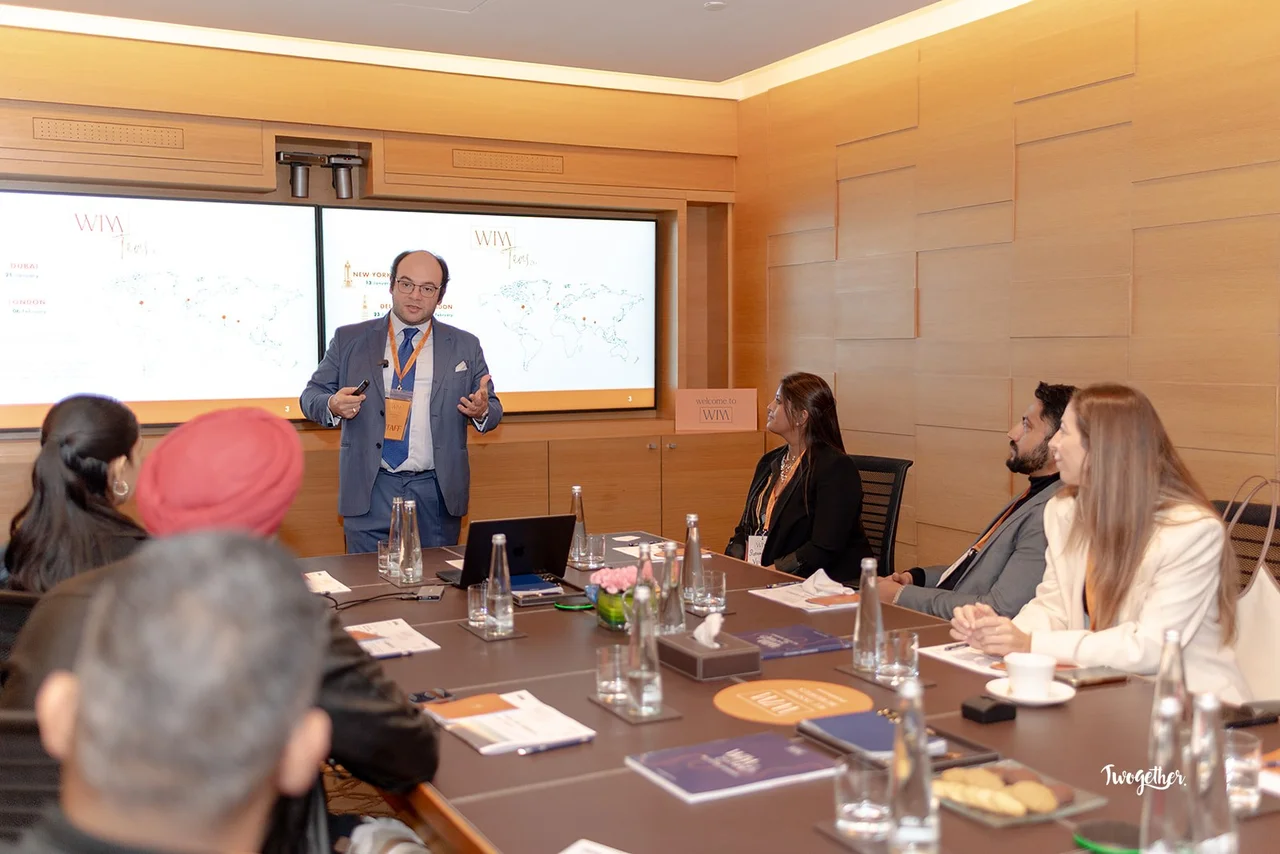
In 2010, almost no Italian private events industry operator thought of India as a reference market. In 2020, it began emerging as an interesting niche. In 2026, it's one of the highest-growth markets in the premium destination events segment, with characteristics no other international market has.
India is the world's fourth country by number of millionaires (UBS, 2025). Accelerated structural growth, driven by the digital economy, the pharmaceutical sector, service exports. 46.5% of Indian HNWIs prefer luxury experiences over material goods — one of the highest data points among all global HNWI markets.
And there's an element that makes the Indian market particularly relevant for Italy: the destination Indian wedding — destination weddings of Indian HNWI couples in European luxury venues — is one of the fastest-growing segments in the global destination wedding market.
The Indian Wedding: A Category of Its Own
Understanding the Indian wedding means first of all stopping thinking of it as a variant of the Western wedding. It's a completely different category, with its own logic, expectations, structure, and complexity.
Duration: 3-5 consecutive days of events. Not a single day with lunch and reception. Three-to-five days of ceremonies, parties, rituals, formal and informal dinners. Each day has a name, a cultural meaning, and specific logistical requirements.
Mehendi (or Mehndi): the henna night. The women of the family gather, henna decorations are applied to the bride's hands and feet. It's a feminine event, intimate yet festive, with music, dance, food. The décor is vivid and colorful.
Sangeet: literally "music together." It's the pre-wedding party with music, dance, and performances — often organized months in advance. The bride's and groom's families perform, there are professional performances, it's the most informal and festive event of all.
Phera (or wedding ceremony): the religious heart of the event, with specific rituals that vary by religion (Hinduism, Sikhism, Islam, Jainism). Requires knowledge of rituals and an appropriate pandit (priest).
Vidaai: the ritual of the bride's farewell from her birth family. Often the most emotionally intense moment of the entire wedding.
Destination Choice Drivers
Why does an Indian HNWI couple choose Italy as the destination for their wedding?
Brand Italy has very strong appeal in Indian HNWI culture — associated with luxury, beauty, romance, history. Words like Tuscany, Venice, Lake Como, Amalfi evoke powerful imagery even in those who have never been to Italy.
The venue with symbolic value — a noble villa, a medieval castle, a historic estate — has particular appeal for Indian clientele, who have a highly developed culture of heritage.
Italian cuisine, wine, hospitality — elements that resonate with Indian culture of hospitality and conviviality.
How to Approach This Market
Approaching the Indian market without preparation is a mistake that can cost dearly in reputation.
The first step is building specific cultural literacy. Not only knowing the names of the rituals — but understanding the cultural and emotional meaning of each. Understanding that the budget of an Indian HNWI wedding doesn't work like the budget of an American wedding: proportions are different (much more on décor and entertainment, relatively less on venue), payment timings are different, social media expectations are different.
The second step is building relationships with specialized intermediaries. Indian luxury wedding planners — based in Mumbai, Delhi, Bangalore — are the gatekeepers of the market. It's not about replacing them, but working with them as local partners. Being on their list of recommended Italian venues or suppliers is the most effective way to access high-value Indian clientele.
The third step is adapting your offering: having staff who know the rituals, being able to provide a pandit for religious ceremonies, having food suppliers who can prepare authentic Indian cuisine (or who understand how to integrate it with Italian), being able to manage 5 consecutive days of events with the logistical complexity this entails.
Continua a leggere...
Questo contenuto è riservato. Accedi alla nostra piattaforma per leggere l'articolo completo.
Prosegui su WIM for ProRead more...
This content is for members only. Log in to our platform to read the full article.
Proceed to WIM for ProCondividi questo articolo:
Diventa un
Digital Wimmer
Contenuti esclusivi, community e accesso anticipato agli eventi — tutto in un unico posto.




WIM For PRO · Where Ideas Meet
Sei già un
Digital Wimmer?
Community
Forum, directory e networking tra i professionisti del settore
Insights PLUS
Report esclusivi, WIM Survey e contenuti editoriali riservati
Priorità eventi
Accesso anticipato a tutte le tappe Tour, Talks e WIM Event
WIM For PRO · Where Ideas Meet
Are you already aDigital Wimmer?
Community
Forums, directories, and networking among industry professionals
Insights PLUS
Exclusive reports, WIM Surveys, and exclusive editorial content
Event priority
Early access to all Tour, Talks, and WIM Event sessions
Tutti i dettagli relativi ai vantaggi delle membership e al pricing dell’evento sono disponibili nel kit evento. Per qualsiasi necessità, assistenza o richiesta di approfondimento, puoi contattarci in qualsiasi momento scrivendo a info@wimforevents.com