
The events industry doesn't exploit Italian heritage. It safeguards it. Here's why this changes everything.
The events industry doesn't exploit Italian heritage. It safeguards it. Here's why this changes everything.
There's a narrative that often circulates in discussions about luxury tourism and private events in Italy. It goes something like this: "tourism and private events exploit Italian heritage — the…
Condividi questo articolo:
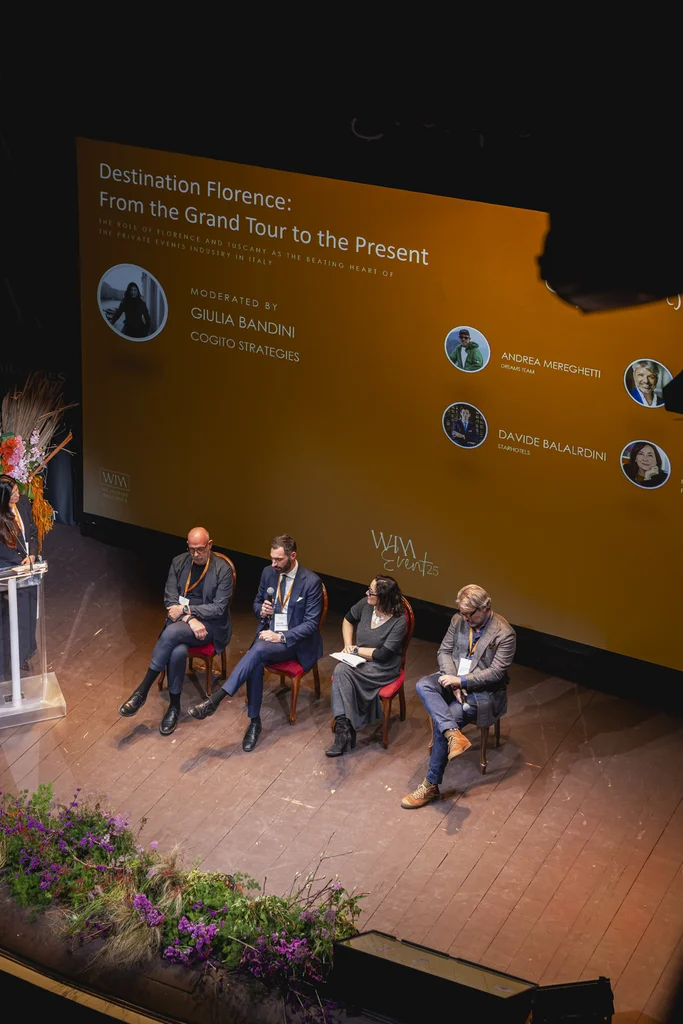
There's a narrative that often circulates in discussions about luxury tourism and private events in Italy. It goes something like this: "tourism and private events exploit Italian heritage — the historic villas, the ancient villages, the castles — to generate profit without contributing to its preservation."
This narrative is not only unfair — it is empirically false. And reversing it with precise data and arguments is one of the most important things the private events industry can do to build its institutional and political credibility.
The Economic Reality of Historic Estates
Take the case of a 17th-century noble villa in Tuscany. A property of this kind — with 20 rooms, a historic wine cellar, a three-hectare formal garden, a private chapel — typically costs between €200,000 and €500,000 per year just for routine maintenance. Restoration costs, when they arise (and they always do, in buildings with centuries of history), run into the hundreds of thousands of euros.
For many owners of Italian historic estates, without the private events market, these properties wouldn't have a sustainable business model. They wouldn't be able to cover maintenance costs, let alone restoration.
The historically available alternatives were limited: sell to public ownership (but the State rarely has the funds to acquire and maintain), convert into a hotel (but not all estates lend themselves to hotel transformation), or abandon — letting the heritage decay until it becomes uninhabitable.
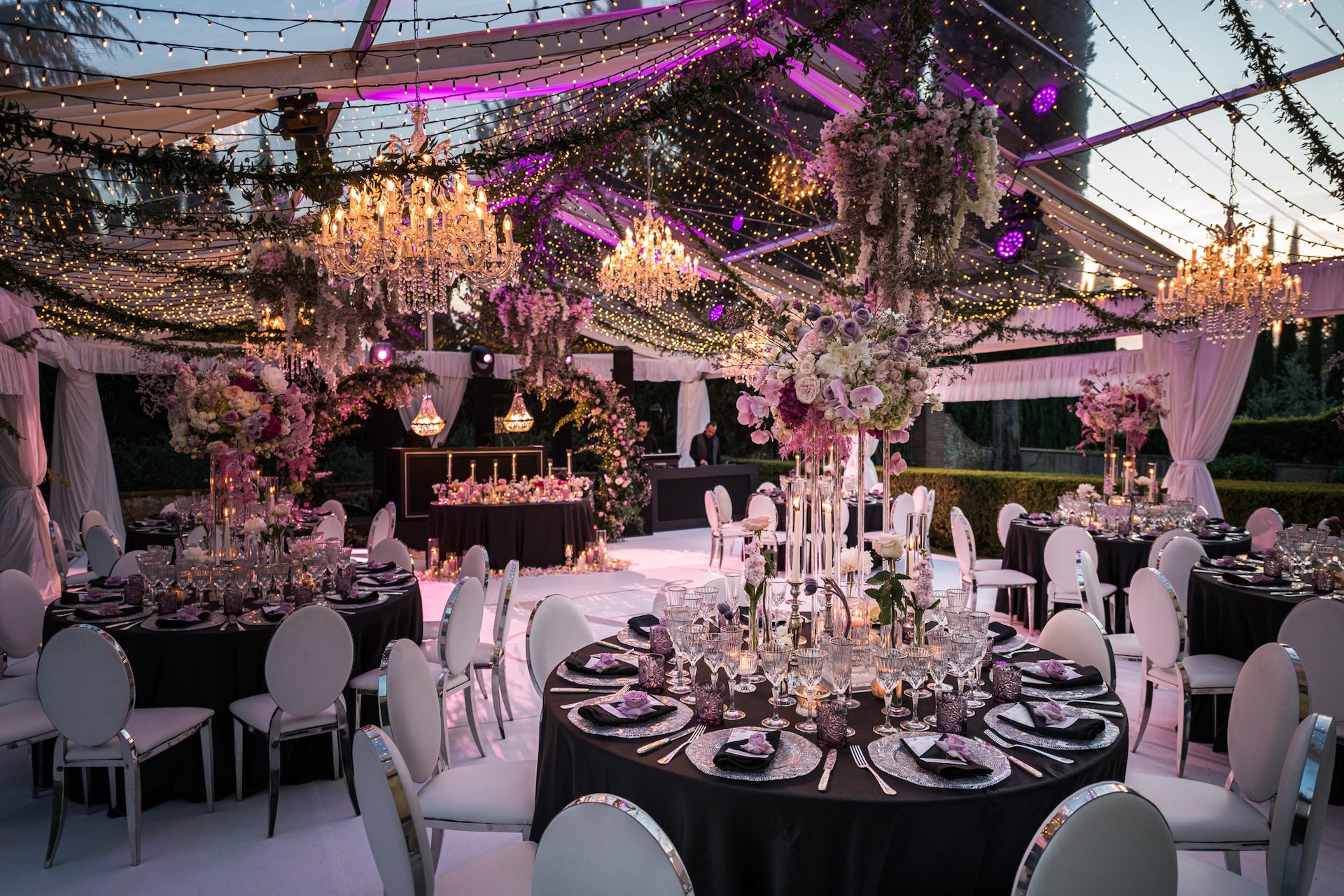
The private events market has offered a fourth path: turning historic estates into venues for luxury events, generating income sufficient to cover maintenance costs and finance restoration.
The Virtuous Circle: Events → Restoration → Events
The economic mechanism is simple but powerful. A €150,000 destination wedding generates for the villa a gross income in the order of €20,000-€40,000 (depending on the business model). Ten weddings a year generate €200,000-€400,000 — an amount sufficient to cover routine maintenance costs and set aside resources for restoration work.
Restoration, in turn, increases the perceived value of the venue, which can then raise its prices, attract higher-end clientele, and generate more resources for future maintenance.
This virtuous circle doesn't happen automatically — it requires professional management, adequate marketing, and presence in the right international circuits. But the underlying mechanism is solid: the private events market funds the preservation of historic heritage.
The Case of Italy's Smaller Villages and Secondary Destinations
The argument is even stronger for smaller villages and secondary destinations — those places of extraordinary historical and scenic beauty that lie outside the major mass-tourism circuits.
A medieval village in inland Umbria, with 200 inhabitants, doesn't attract passing tourists because it's not on the Florence-Rome route. It has no major hotel infrastructure. It has no Michelin-starred restaurants. But it can host a private destination wedding for 150 guests that brings €50,000 of spending to the territory in three days — across hotels, restaurants, artisans, transportation, and guides.
For many rural Italian communities, this kind of event is one of the few truly effective tools for local economic development. It doesn't require massive public investment. It doesn't require industrial infrastructure. It requires heritage — which is already there — and a professional supply chain — which can be built.
The Institutional Argument That's Missing
The relevance of this reasoning goes far beyond the events industry. It's a political and institutional argument of the first order.
When the private events industry brings to the institutional table requests for support policies — facilitated visas for international clients, accessibility of historic estates, more flexible regulations for events — the typical response is: "we cannot favor a private commercial sector."
If the industry can demonstrate — with data — that it funds the preservation of cultural heritage that would otherwise have no sustainable business model, the argument flips. It's not about favoring a commercial sector. It's about supporting the primary tool for preserving Italian historic heritage that operates at no cost to the public purse.
This argument, presented with precise data — how many historic estates have been restored thanks to events, how many villages have been revitalized through destination weddings, how much restoration has been funded by the events market — can radically change the way institutions look at the industry.
Continua a leggere...
Questo contenuto è riservato. Accedi alla nostra piattaforma per leggere l'articolo completo.
Prosegui su WIM for ProRead more...
This content is for members only. Log in to our platform to read the full article.
Proceed to WIM for ProCondividi questo articolo:
Diventa un
Digital Wimmer
Contenuti esclusivi, community e accesso anticipato agli eventi — tutto in un unico posto.





WIM For PRO · Where Ideas Meet
Sei già un
Digital Wimmer?
Community
Forum, directory e networking tra i professionisti del settore
Insights PLUS
Report esclusivi, WIM Survey e contenuti editoriali riservati
Priorità eventi
Accesso anticipato a tutte le tappe Tour, Talks e WIM Event
WIM For PRO · Where Ideas Meet
Are you already aDigital Wimmer?
Community
Forums, directories, and networking among industry professionals
Insights PLUS
Exclusive reports, WIM Surveys, and exclusive editorial content
Event priority
Early access to all Tour, Talks, and WIM Event sessions
Tutti i dettagli relativi ai vantaggi delle membership e al pricing dell’evento sono disponibili nel kit evento. Per qualsiasi necessità, assistenza o richiesta di approfondimento, puoi contattarci in qualsiasi momento scrivendo a info@wimforevents.com